



Recreating Tiles for a Chinese home in Salem, Massachusetts
Client – Peabody Essex Museum, Salem, MA
Preservation architects - John G. Waite Architects of Albany
NY US roofing distributors – Northern Rooftiles
Photography - Kathy Tarantola/PEM.
The Story of Yin Yu Tang
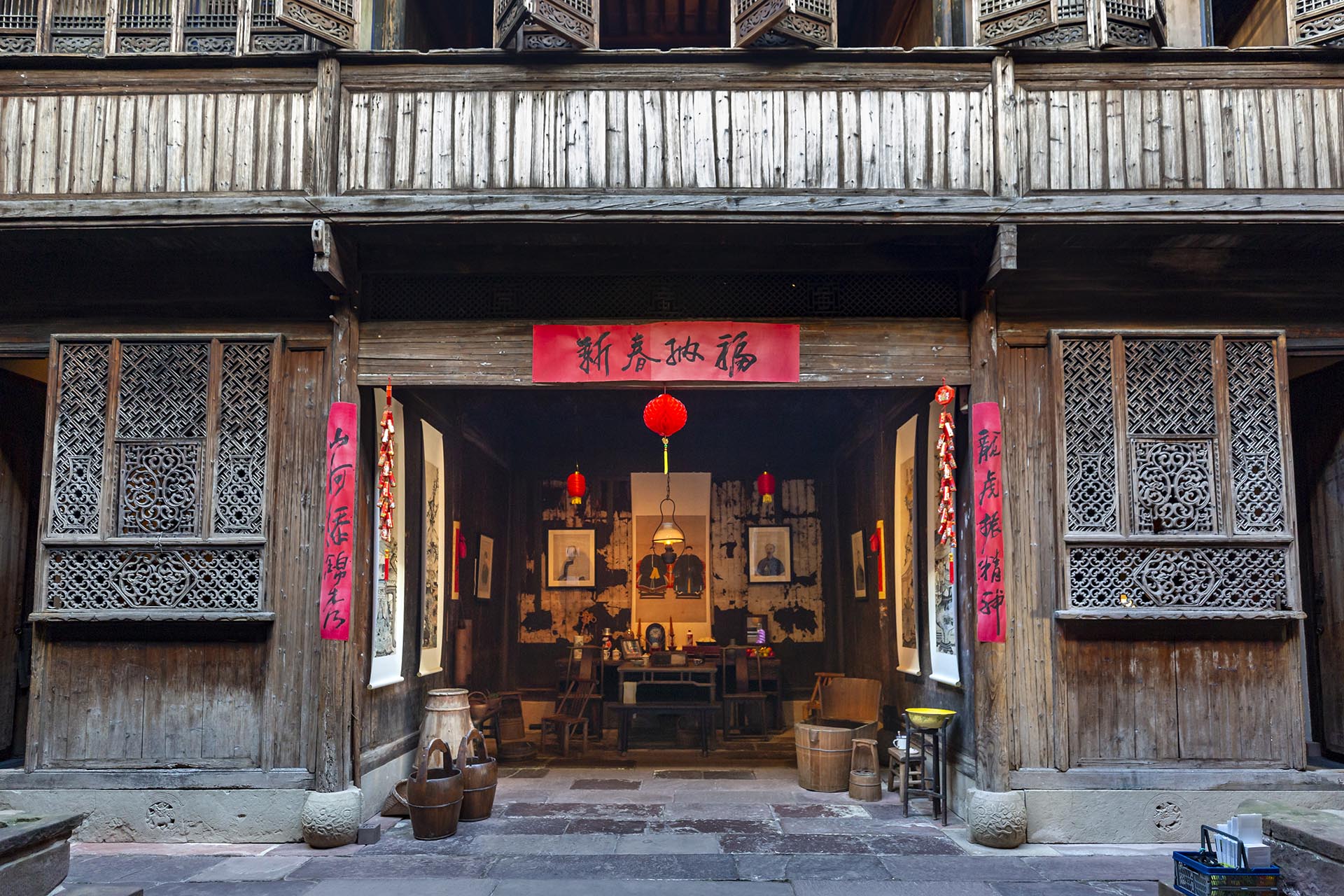
Yin Yu Tang, meaning Hall of Plentiful Shelter, is a 16-bedroom ancestral home originally built in the 1790s by a prosperous merchant named Huang in the mountainous Huizhou region of southeastern China. For nearly 200 years, generations of the Huang family lived under its roof until the 1980s, when the last descendants left the village. Salem, Massachusetts, is a coastal US city with a rich maritime history and is home to the Peabody Essex Museum, the country’s oldest continuously-operating museum. The Museum was founded in 1799 by ship captains and supercargoes who brought remarkable works of art, culture and science from around the world back to Salem. During the 18th and 19th centuries, the city traded with merchants in China and Asia, and today there are many fine examples of merchants’ homes both in the Museum’s collection and throughout Salem that date back to that prosperous period.
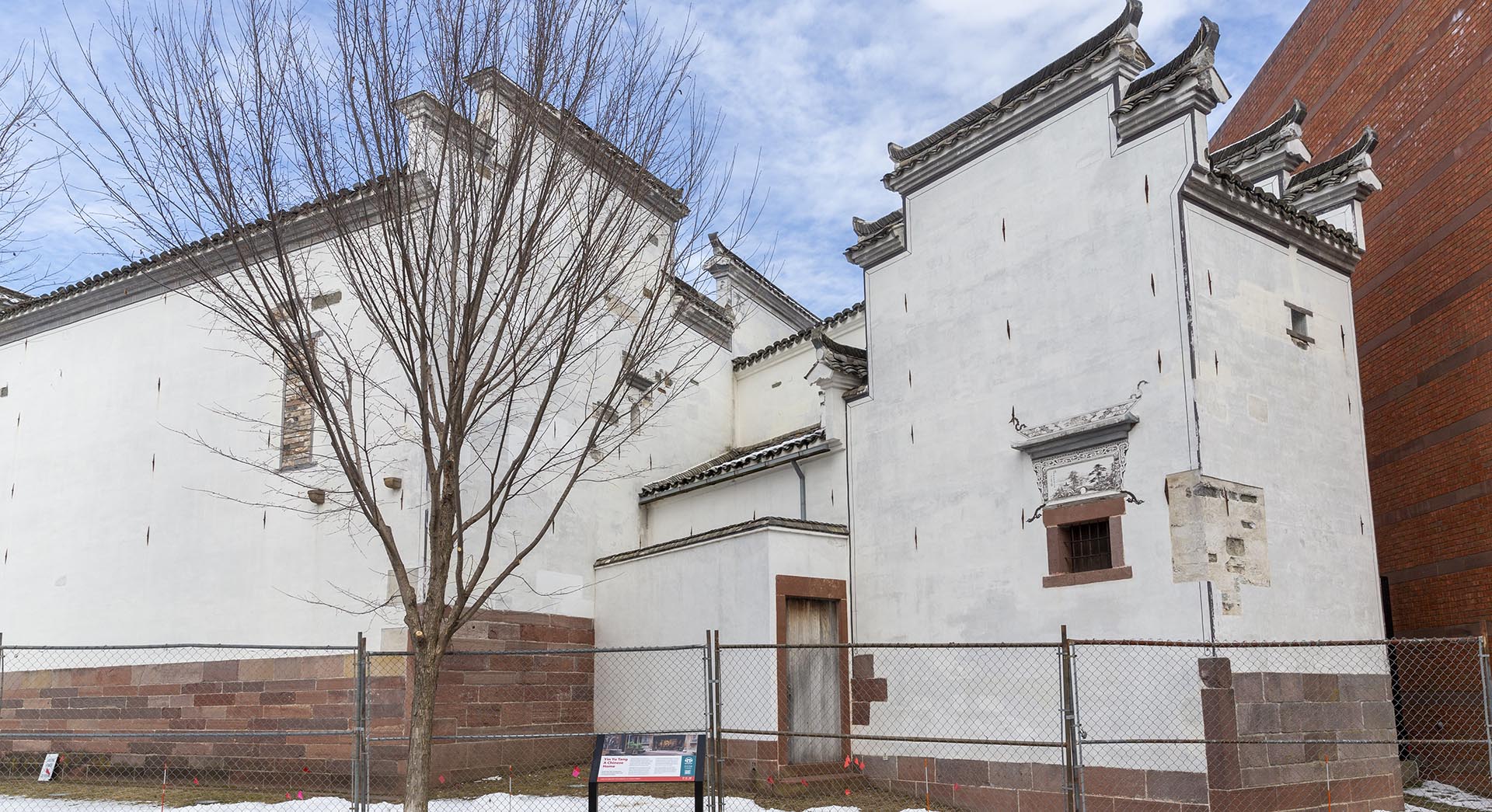
In the 1990s, Yin Yu Tang became part of a cultural exchange initiative. It was carefully documented, dismantled, transported from China to Salem, Massachusetts, and, over several years, meticulously re-erected on the campus of the Peabody Essex Museum. With the expertise of museum curators, traditional Chinese and American craftsmen, and preservation architects, Yin Yu Tang opened in 2003, offering visitors an immersive window into rural Chinese family life across centuries.
A Roof in Need of Revival
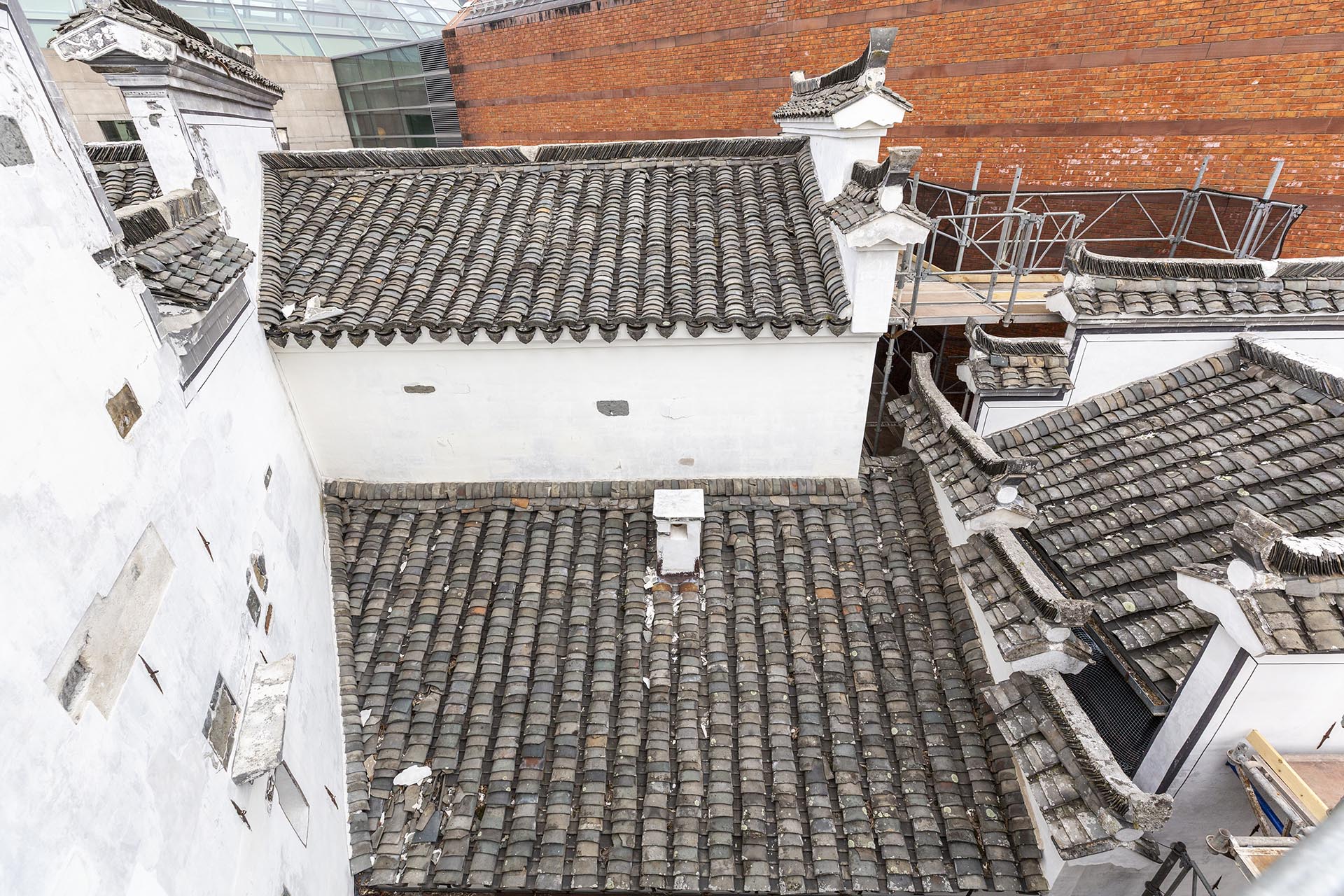
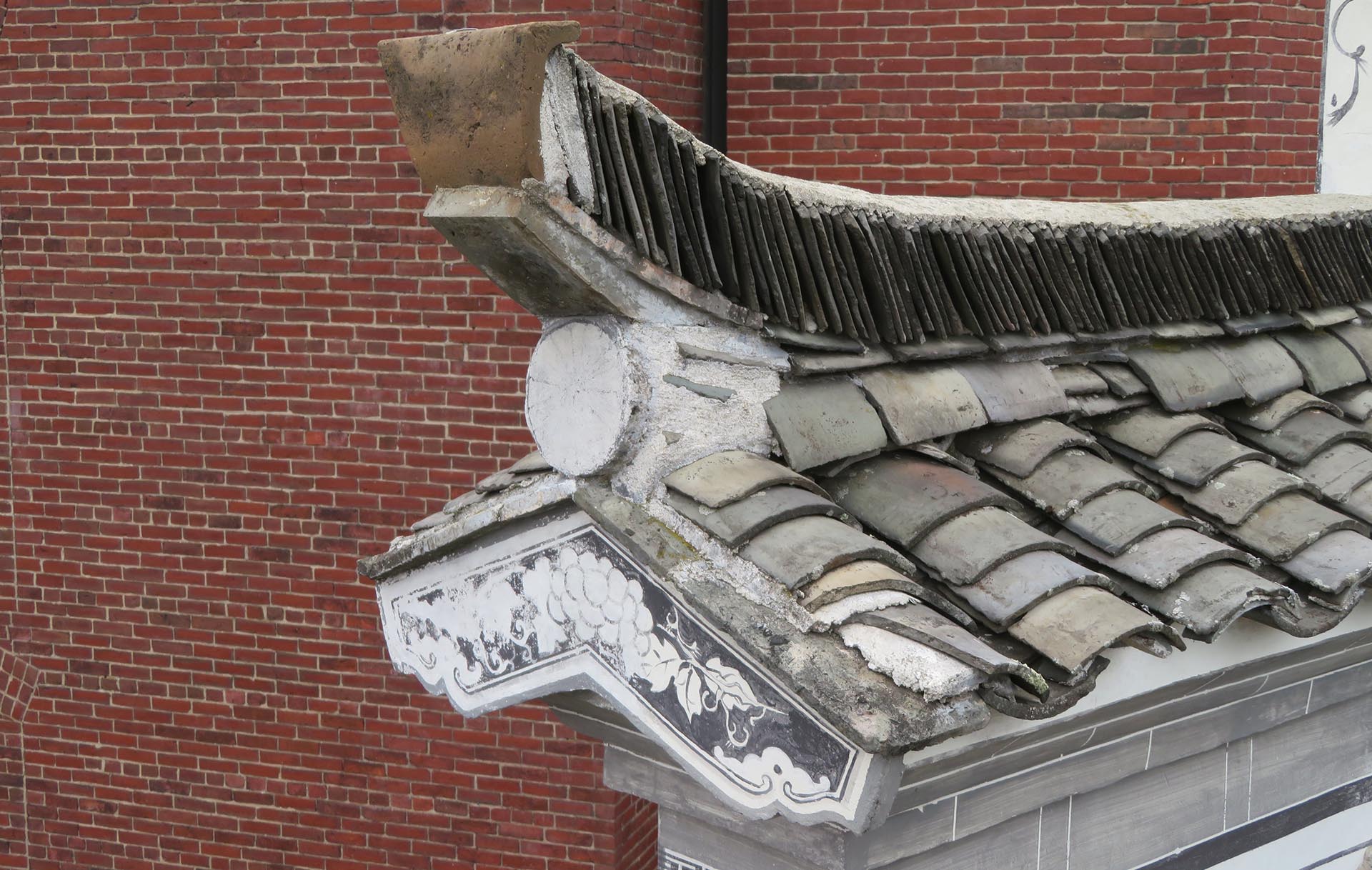
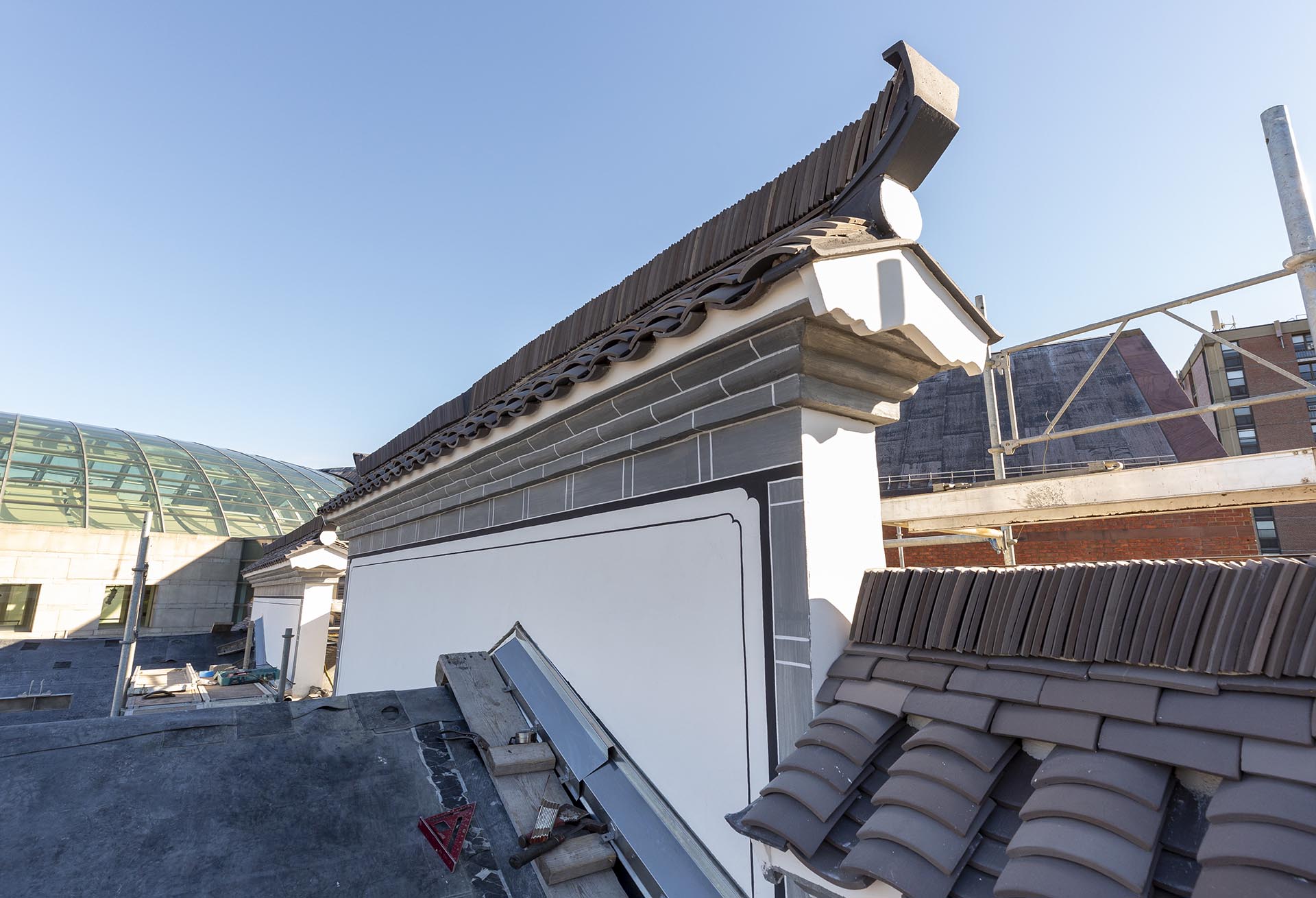
New England’s harsh climate was quite different to the climate of SE China where the building was originally built, and the roof’s exposure to repeated freeze-thaw conditions had accelerated the weathering and deterioration of the Chinese roof tiles. A full renovation project was launched to reroof Yin Yu Tang. The roof’s complex elevations include a variety of traditional Chinese tile forms: crown tiles, drip tiles, cover tiles, and valley tiles.
A challenge for Dreadnought Tiles
Stuart Matthews of Northern Rooftiles approached Dreadnought Tiles, acclaimed for their bespoke capabilities and 200-year legacy of clay tile production in Staffordshire. Renowned for their exceptionally low water absorption and durability - tested to 400 freeze-thaw cycles compared to the European standard of 150 - Dreadnought’s tiles were deemed ideal for Salem’s climate. But this project would require something entirely new: tiles in unfamiliar shapes and colours, far removed from Dreadnought’s signature Staffordshire plain tile. However, undaunted, the Dreadnought team embraced the challenge.
Crafting Authenticity
Working closely with Northern Rooftiles, preservation architects John G. Waite Associates, and the Peabody Essex Museum, Dreadnought undertook extensive trials to replicate the original Chinese tiles.
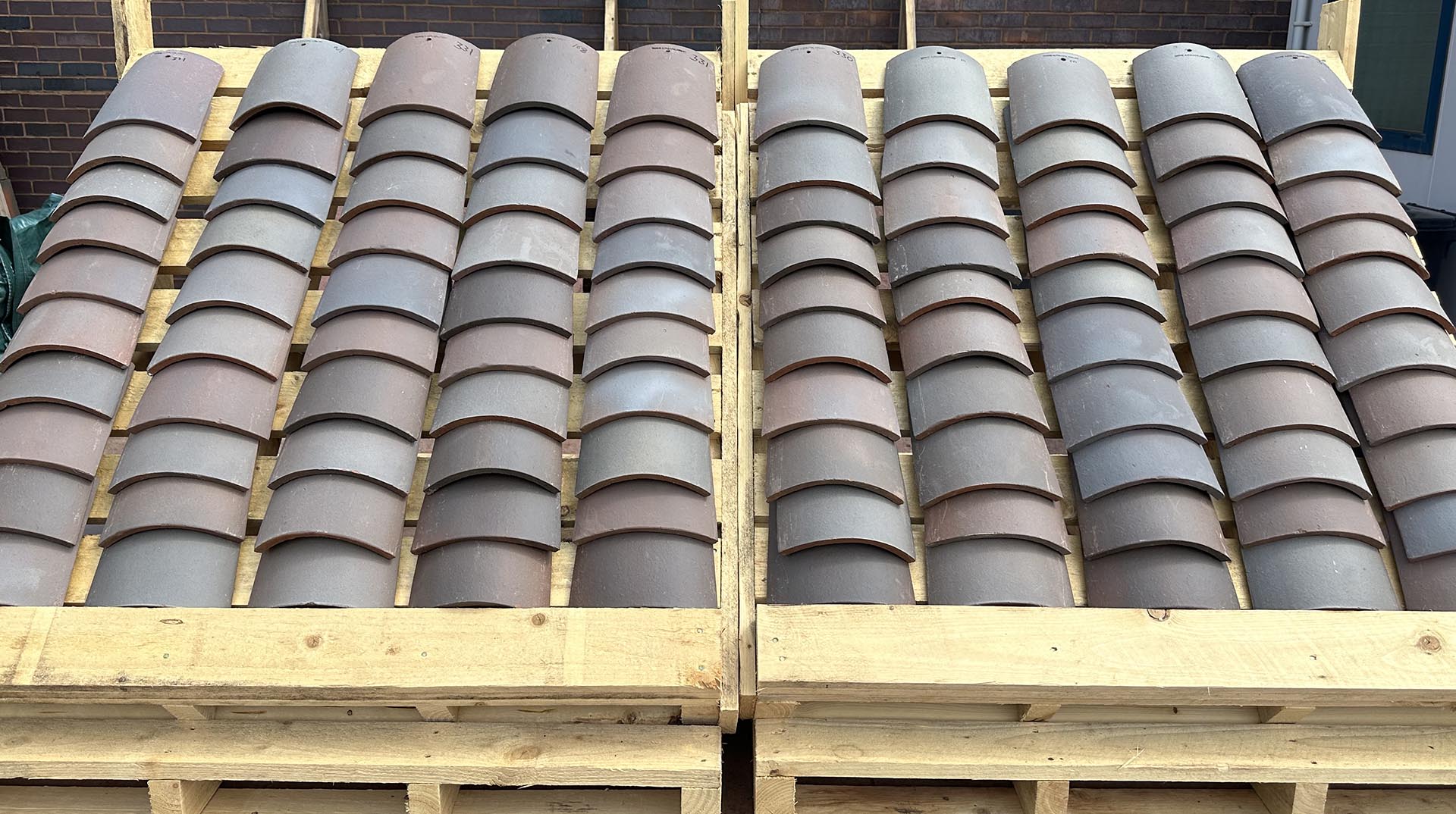
• Colour Matching: The desired tones - dark browns and greys - required subtle, natural variation. Using engobes, Dreadnought developed a palette of five colours, applied to both sides of the tiles. Firing in a slight reduction atmosphere created tonal depth and ensured through-colour resilience against chips and scratches.
• Shape Variation: Tiles were dried on edge to introduce gentle variation in curvature, echoing the organic irregularities of the originals. Achieving the right balance of variation was key to preserving the roof’s authentic character.
• Bespoke Brickwork: The building’s 8 parapet walls at the gable ends feature 28 “horse-heads” - each made up of eight unique brick pieces - that were recreated from original drawings and later refined using physical samples to ensure faithful reproduction.
A Cross-Cultural Collaboration
After three years of close collaboration and numerous visits to Dreadnought Works, the reroofing of Yin Yu Tang is now successfully underway. Tiles have begun arriving in Salem, with the remainder in production. It’s a poetic full circle: around the time Yin Yu Tang was first built in China, Dreadnought Tiles was just beginning its journey in Staffordshire. Today, their craftsmanship bridges continents and centuries, preserving a cultural treasure for generations to come.









-A.jpg)