



Restoring the Golden Lion
Client – Birmingham Conservation Trust in partnership with Birmingham City Council
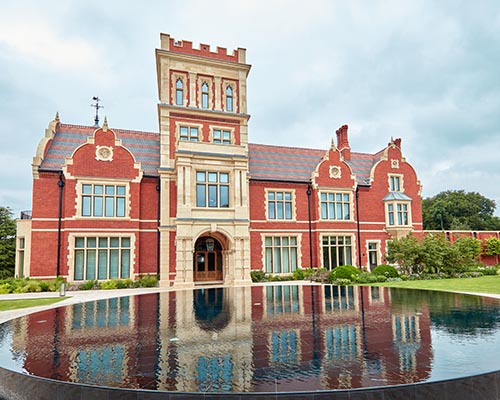
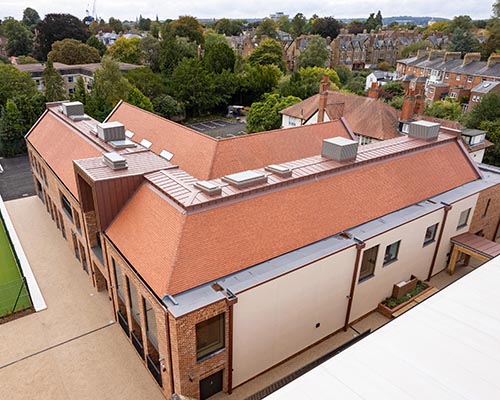
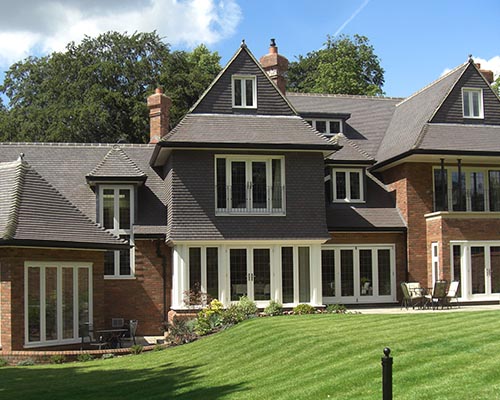
Tiles - machine made brown antique sandfaced
Architects - Oliver Architecture
Contractors - Reynolds Conservation
Photography - Anne-Marie Hayes
The Story of the Golden Lion
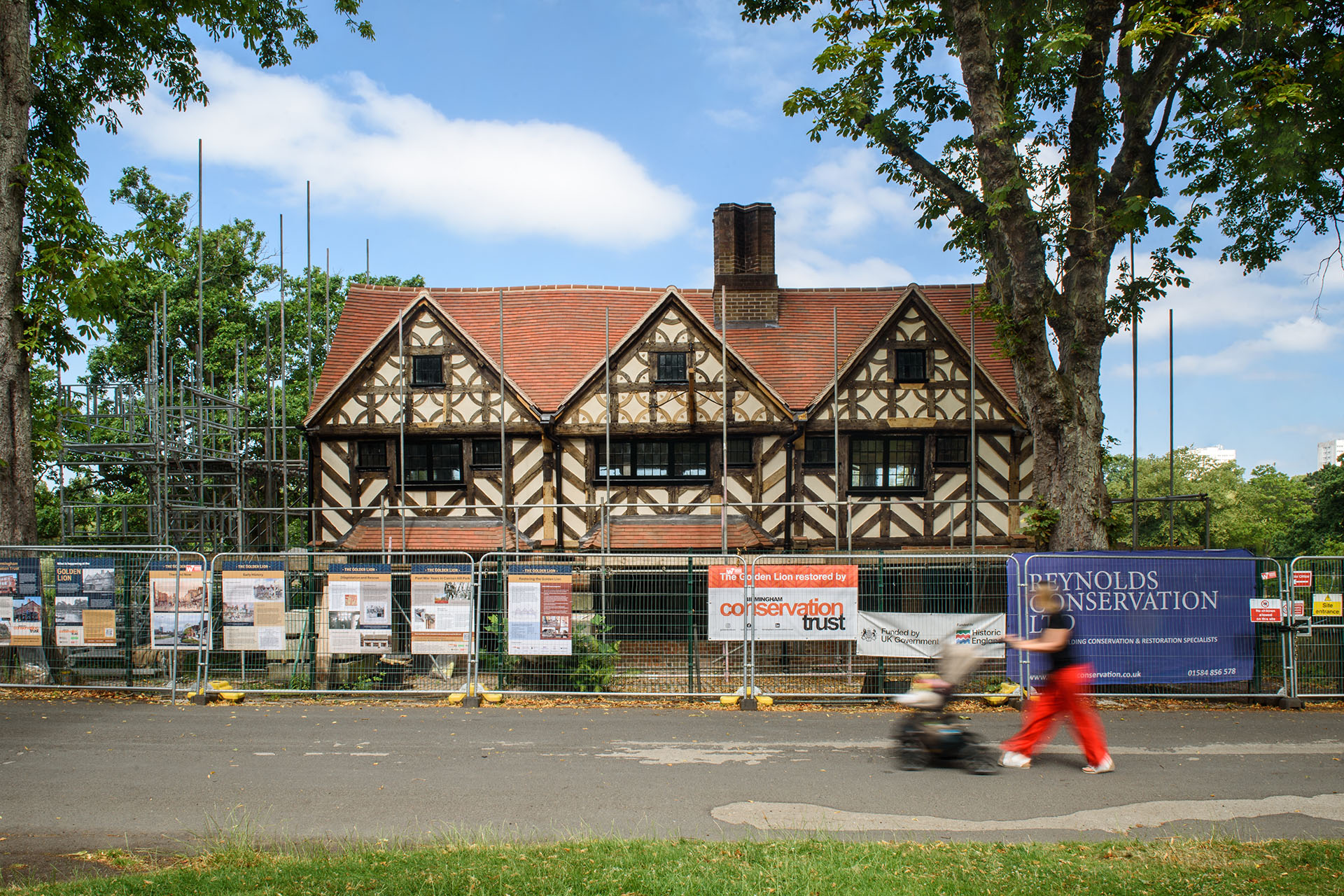
Originally built in the 17th Century in Digbeth, the Golden Lion is one of Birmingham’s most significant timber‑framed heritage buildings. In 1911, it was carefully dismantled and re‑erected in Cannon Hill Park, where it became a much‑loved local landmark. Over the centuries, the building served many roles, from pub and cutler’s house to a row of small homes, a scrap shop, a ranger’s hut, and even a cricket pavilion. After decades of use, structural deterioration left it unsafe and unoccupied for nearly twenty years.
The Restoration
Birmingham Conservation Trust, working with Birmingham City Council, secured a grant from Historic England to rescue the building from demolition and restore its historic fabric. Reynolds Conservation retained as much of the original timber frame as possible, strengthening and repairing it while replacing only what was essential.
The roof tiles, however, were beyond salvage. Their heavy soiling obscured the original colour, so Oliver Architecture collaborated with Reynolds Conservation and Dreadnought Tiles to select Brown Antique sandfaced clay tiles , chosen for their natural variation of rich reds, browns, and blues. These hues are created solely by controlling the kiln atmosphere, ensuring that no two tiles are identical. The resulting roof presents a beautifully nuanced palette that complements the building’s age and character.
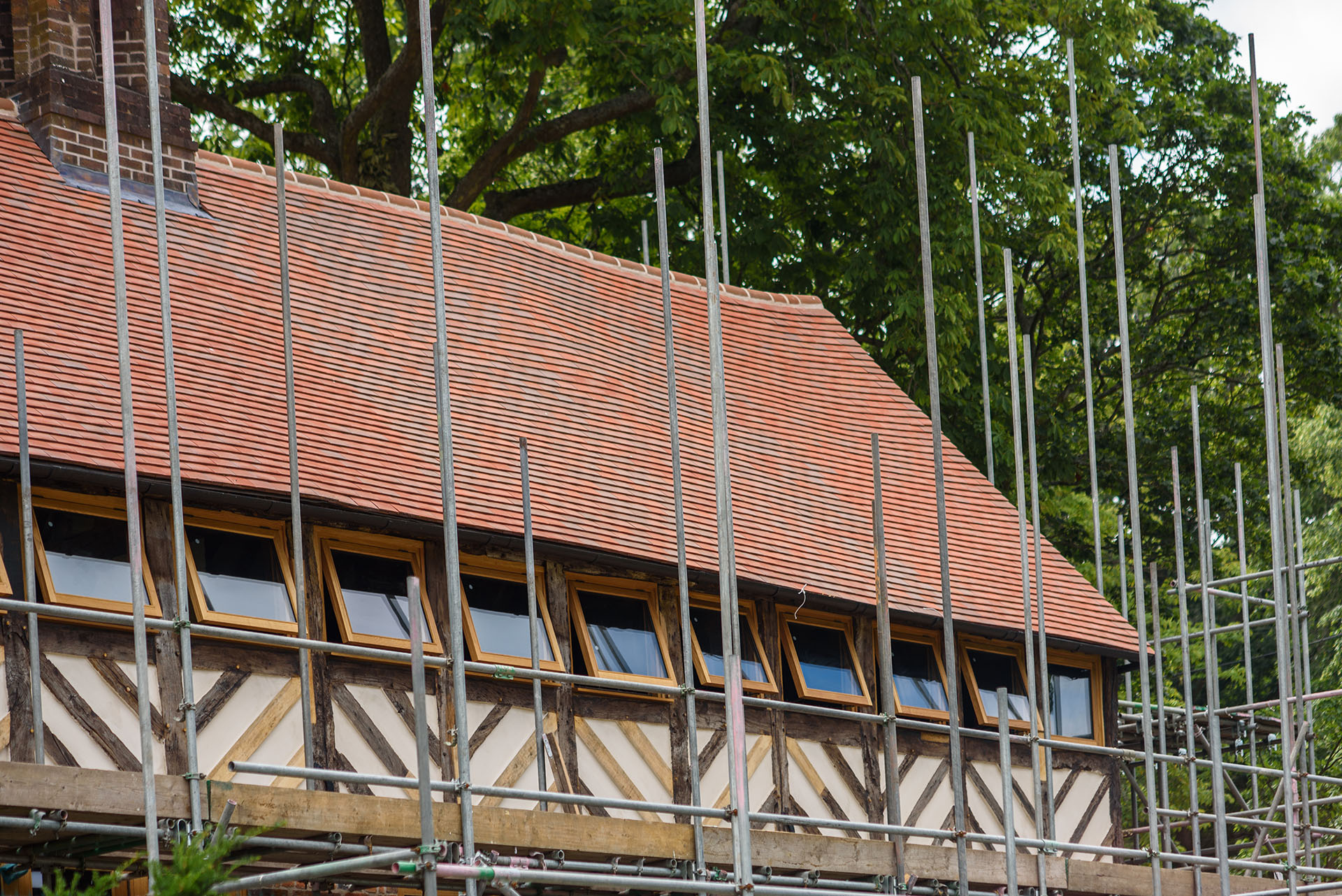
The steeply pitched roof and intricate timber framing demanded precision in tile coursing, and the Reynolds team delivered exceptional workmanship. Scaffolding was required both inside and out, with much of the work completed through winter. The project invited public engagement , visitors could join guided scaffolding tours to witness conservation in action and support the restoration effort.
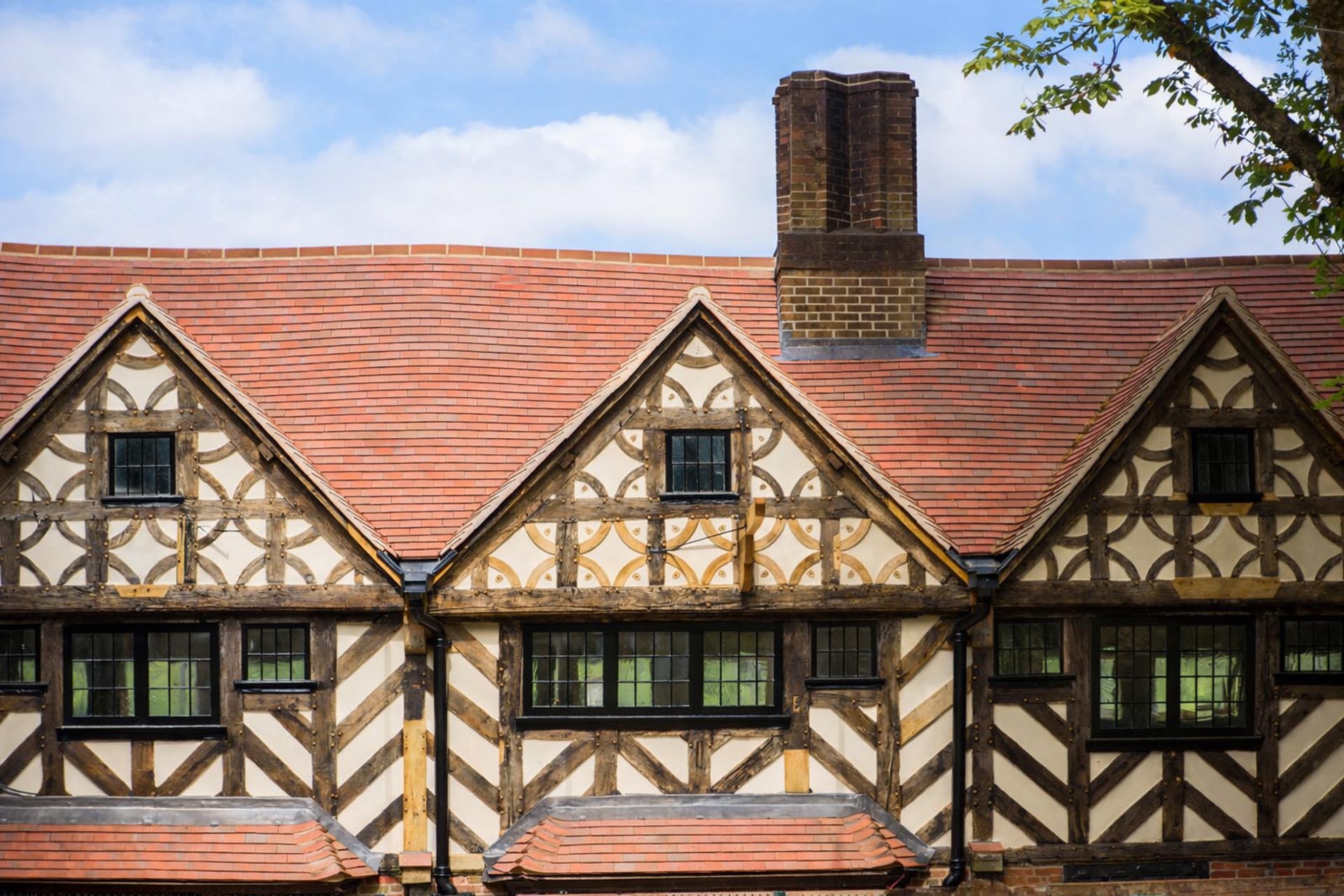 With its renewed clay tile roof and carefully conserved structure, the building is once again secure, stable, and ready for whatever future use the community may imagine, for generations to come.









-A.jpg)